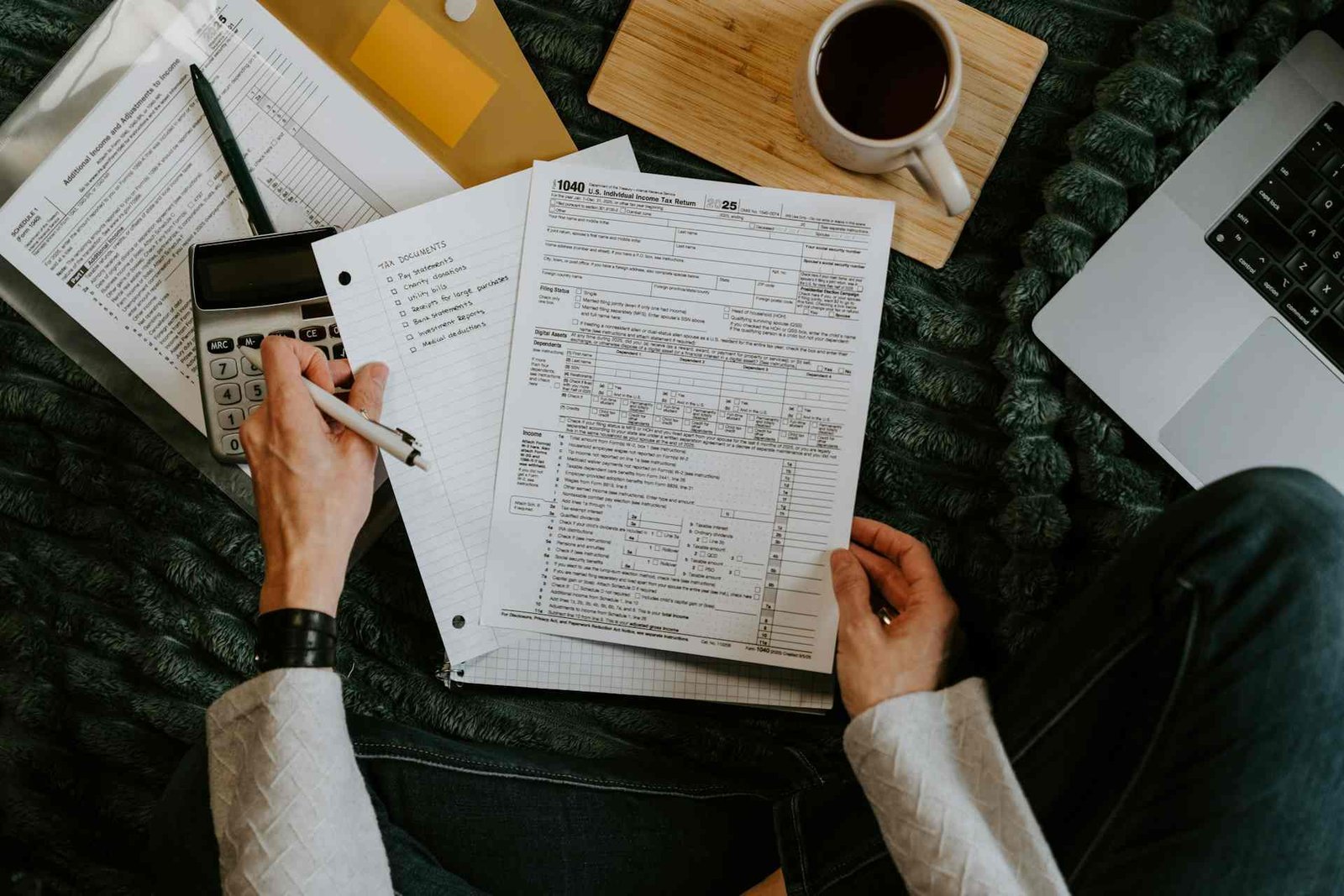

Behind on Your Mortgage? How Bankruptcy May Help You Protect Your Home
Your mortgage payment used to be manageable.
Then something changed.
Maybe you lost your job.
Maybe your income dropped.
Maybe you went through a divorce, medical emergency, or unexpected financial crisis.
Perhaps your expenses simply became too high to keep up.
At first, you missed one payment.
Then another.
Now you’re receiving letters from your mortgage company, and the word “foreclosure” is starting to appear.
You know you owe money.
You want to keep your home.
But you don’t have enough money to pay everything you owe all at once.
So what can you do?
For some homeowners, Chapter 13 bankruptcy may provide a legal path to address certain mortgage arrears over time while keeping the home, provided they meet the applicable requirements.
At New Horizons Financial Law, PLLC (NHFL), Managing Attorney Chris Williamson helps individuals facing overwhelming debt, consumer-credit problems, and bankruptcy issues.
NHFL serves clients in Tulsa, Oklahoma; Dallas–Fort Worth, Texas; and Raleigh, North Carolina.
Falling Behind on Your Mortgage Doesn’t Mean You Should Give Up
One of the biggest mistakes a homeowner can make is assuming:
“I’m already behind, so there’s nothing I can do.”
That’s not necessarily true.
The sooner you understand your options, the more information you may have available when deciding how to respond.
If you’re behind on your mortgage, you may receive:
- Payment-due notices
- Collection calls
- Default notices
- Acceleration notices
- Foreclosure-related correspondence
- Notices concerning a scheduled sale
The terminology can be confusing.
The letters can be frightening.
And when you’re already struggling financially, it can be difficult to know which notice requires immediate action.
Don’t ignore them.
Open the mail.
Keep copies.
Write down important dates.
And get legal advice before assuming that foreclosure is inevitable.
What Is Mortgage Arrears?
Mortgage arrears are essentially the payments you have fallen behind on.
For example, imagine your monthly mortgage payment is $2,000.
You missed four payments.
You may now be approximately $8,000 behind, before considering applicable fees, costs, interest, or other amounts.
The problem is obvious:
You might be able to afford your regular $2,000 monthly payment going forward.
But finding $8,000—or more—to immediately bring the loan current may be impossible.
This is one situation in which Chapter 13 may be worth discussing with a bankruptcy attorney.
How Can Chapter 13 Help With Mortgage Arrears?
Chapter 13 bankruptcy generally allows an eligible individual with regular income to propose a repayment plan lasting three to five years.
For homeowners who qualify, a Chapter 13 plan can potentially provide a structured way to address certain past-due mortgage payments over time while the homeowner continues making required ongoing mortgage payments.
This can be very different from trying to come up with thousands of dollars immediately.
For example:
Mortgage payment: $2,000/month
Past-due amount: $12,000
You may not have $12,000 available today.
But if you have sufficient regular income, a Chapter 13 plan may provide a legal framework for addressing qualifying arrears over time.
The exact payment and treatment depend on the circumstances and applicable bankruptcy rules.
Chapter 13 isn’t simply a promise to “catch up later.”
It is a formal legal process with specific eligibility requirements, documentation, court oversight, and obligations.
Does Filing Bankruptcy Automatically Save Your House?
No.
This is extremely important.
You should not think of bankruptcy as an automatic guarantee that you will keep your home.
Your ability to protect your home can depend on factors such as:
- Your income
- Your mortgage balance
- The amount of arrears
- Your home’s value
- Available exemptions
- Other debts
- Your ability to make ongoing mortgage payments
- The structure of your proposed Chapter 13 plan
- Applicable federal and state law
A bankruptcy attorney needs to evaluate the complete situation.
The earlier you do that, the better.
What Is the Automatic Stay?
When a bankruptcy case is filed, an automatic stay generally takes effect.
The stay can stop many creditor collection actions, including certain foreclosure-related actions, lawsuits, garnishments, and other collection activity. However, there are exceptions and limitations, and the exact effect depends on the circumstances.
This can be especially important for someone facing immediate collection pressure.
However, homeowners should not wait until the last possible moment and assume bankruptcy can always reverse every foreclosure action.
Timing matters.
If you have received foreclosure-related documents, speak with an attorney promptly.
What If the Foreclosure Sale Is Already Scheduled?
This is one of the most urgent situations.
If you receive a notice stating that your home is scheduled for a foreclosure sale, don’t put it aside.
Don’t assume:
“I’ll figure it out next week.”
Depending on your location and the circumstances, there may be very little time to evaluate your options.
Call an attorney.
Provide the complete foreclosure documents.
Tell the attorney about the sale date.
And provide information about your mortgage, income, assets, and other debts.
The attorney needs the complete picture to determine what options may exist.
What If You Can Afford the Mortgage Going Forward?
This is a crucial question.
Suppose you lost your job six months ago.
You missed several mortgage payments.
You recently found another job.
Now your income is sufficient to make your regular monthly payment.
But you cannot afford the accumulated arrears.
That is very different from someone who cannot afford the mortgage payment at all.
If you can afford the ongoing mortgage but need a legal structure for addressing past-due amounts, Chapter 13 may be worth evaluating.
On the other hand, if the regular mortgage payment itself is completely unaffordable, a bankruptcy filing may not solve the underlying problem by itself.
You need to look honestly at the numbers.
What If You Have Other Debts Too?
This is where homeowners often discover that the mortgage isn’t actually the only problem.
You may also have:
- $20,000 in credit-card debt
- Medical bills
- Personal loans
- Collection accounts
- A vehicle loan
- Tax obligations
- Legal judgments
You are trying to keep your mortgage current while simultaneously making minimum payments on everything else.
Eventually, something has to give.
If that’s happening to you, don’t evaluate your mortgage in isolation.
Your attorney should look at your entire debt structure.
The solution may involve bankruptcy, consumer-credit issues, negotiations, or another legal strategy depending on your circumstances.
Chapter 7 vs. Chapter 13 When You Are Behind on Your Mortgage
This is an important distinction.
Chapter 7
Chapter 7 can provide a discharge of many qualifying debts for eligible debtors, but it generally does not provide the same type of long-term repayment plan for mortgage arrears that Chapter 13 does.
If you are significantly behind on your mortgage and your primary goal is to catch up over time while keeping the home, Chapter 13 may therefore be particularly important to evaluate.
Chapter 13
Chapter 13 allows eligible individuals with regular income to propose a repayment plan generally lasting three to five years.
The plan may address certain mortgage arrears while you continue making your ongoing mortgage payments.
But again, eligibility and feasibility depend on your individual financial situation.
What If You Also Have Credit Card Debt?
This is a common scenario.
Your mortgage is behind.
Your credit cards are maxed out.
You are receiving collection calls.
You’re making minimum payments whenever you can.
And every month you’re forced to decide:
Mortgage or credit card?
Car payment or medical bill?
Utilities or personal loan?
If this is your reality, you may need more than a mortgage solution.
A bankruptcy consultation can help you understand how your various debts may be treated together.
Depending on your circumstances, Chapter 13 may allow certain debts to be addressed through a single court-supervised repayment plan.
That doesn’t mean every debt receives the same treatment.
Different debts have different legal characteristics.
That’s precisely why individualized legal analysis matters.
Can Bankruptcy Stop Foreclosure Forever?
No.
Bankruptcy is not a permanent shield against foreclosure.
A homeowner must comply with the requirements of the bankruptcy case and make required payments.
If a Chapter 13 plan fails, the case can be dismissed or otherwise affected, and the protection provided by the automatic stay may end.
The goal is not simply to delay foreclosure.
The goal is to create a realistic legal and financial path forward.
That means you need to be honest about what you can afford.
What If You Can’t Afford Your Home Anymore?
This can be a difficult question, but it is an important one.
Sometimes the best solution is not keeping the home at any cost.
If your mortgage payment is fundamentally unaffordable, you need to understand that before entering into a repayment plan you cannot sustain.
A good attorney should help you evaluate the numbers honestly.
The goal isn’t:
“Keep the house no matter what.”
The goal is:
“Find the best available solution for your overall financial situation.”
That might mean keeping the home.
It might mean restructuring debts.
It might involve bankruptcy.
Or it might mean evaluating other alternatives.
What Documents Should You Gather?
If you’re considering bankruptcy because you’re behind on your mortgage, gather:
- Current mortgage statement
- Payment history
- Foreclosure notices
- Default notices
- Property-tax information
- Homeowners insurance information
- Recent bank statements
- Pay stubs
- Tax returns
- Credit-card statements
- Personal-loan statements
- Vehicle-loan information
- Collection letters
- Lawsuits
- Credit reports
Also write down:
How much do I owe?
How much am I behind?
What is my current monthly mortgage payment?
What is my household income?
What are my essential monthly expenses?
What other debts do I have?
These numbers can help your attorney understand whether a potential repayment strategy is realistic.
Don’t Wait Until the Foreclosure Sale Is Tomorrow
If you’re already behind on your mortgage, you may be tempted to wait.
Maybe you’ll get a better-paying job.
Maybe you’ll receive unexpected money.
Maybe the mortgage company will call with an offer.
Maybe the problem will somehow resolve itself.
Sometimes it does.
But hoping for a solution isn’t a financial strategy.
If you’re receiving foreclosure notices, get informed before your options become more limited.
Early advice can help you understand what you’re facing and whether bankruptcy or another solution should be considered.
Mortgage and Foreclosure Help in Tulsa, Dallas–Fort Worth, and Raleigh
The details of foreclosure procedures and applicable state law can vary depending on where you live and the circumstances of your property.
NHFL serves individuals in:
Tulsa, Oklahoma
If you are behind on your mortgage in Tulsa or elsewhere in Oklahoma, don’t assume foreclosure is unavoidable.
Your income, property, debts, arrears, and available legal options should be evaluated together.
Dallas–Fort Worth, Texas
If you’re a Texas homeowner facing mortgage arrears or foreclosure, understanding the applicable Texas foreclosure process and available bankruptcy options can be critical.
Don’t rely on advice written for another state.
Raleigh, North Carolina
If you’re behind on your mortgage in Raleigh or surrounding communities, foreclosure-related notices should be taken seriously.
The applicable North Carolina and federal laws may affect your available options.
Chris Williamson Looks at the Financial Picture Behind the Problem
Managing Attorney Chris Williamson of New Horizons Financial Law, PLLC has nearly two decades of experience in regulated financial-services environments, including experience involving recovery and collections operations, legal-risk evaluation, and consumer financial matters.
That background is particularly relevant when someone is dealing with a combination of:
Mortgage debt + credit cards + collections + financial hardship + possible bankruptcy.
The mortgage may be the immediate concern.
But it may not be the underlying problem.
Chris helps clients evaluate the bigger picture and understand whether Chapter 7, Chapter 13, consumer-credit remedies, or another approach may be appropriate based on their circumstances.
What Should You Do If You’re Behind on Your Mortgage?
If you’re currently behind, start with these steps:
1. Don’t ignore your mortgage company.
Open every letter and keep copies.
2. Find out exactly how much you owe.
Don’t rely on estimates.
3. Determine whether foreclosure proceedings have started.
Look carefully at the notices you’ve received.
4. Calculate your realistic monthly budget.
Know what you can actually afford—not what you wish you could afford.
5. List all of your debts.
Your mortgage may only be one part of the problem.
6. Get legal advice.
A bankruptcy attorney can help you understand whether Chapter 13 or another option may fit your circumstances.
Your Home Is Important. So Is Your Financial Future.
Falling behind on your mortgage can make you feel like everything is falling apart.
But missing payments doesn’t mean you should stop looking for solutions.
If you have regular income but cannot afford to immediately catch up on your mortgage arrears, Chapter 13 bankruptcy may be one option worth exploring.
If your financial problems extend beyond your mortgage, there may be other legal strategies to consider as well.
The important thing is to understand your options before making a decision under pressure.
If you are facing mortgage arrears, foreclosure, overwhelming debt, or creditor collection activity in Tulsa, OK; Dallas–Fort Worth, TX; or Raleigh, NC, New Horizons Financial Law, PLLC can help you evaluate your situation.
Worried About Losing Your Home?
Don’t wait until the foreclosure deadline is upon you.
Schedule a consultation with Chris Williamson to discuss your mortgage, debts, and potential legal options.
Schedule a Consultation →
Frequently Asked Questions
Can Chapter 13 stop foreclosure?
The automatic stay generally stops many collection and foreclosure actions when a bankruptcy case is filed, although exceptions apply. Chapter 13 may also provide eligible homeowners with a repayment structure for certain mortgage arrears.
Can I keep my house if I file Chapter 13?
Potentially. Chapter 13 can allow eligible homeowners to retain property while addressing certain debts through a repayment plan, but keeping the home depends on the specific circumstances and ability to meet ongoing obligations.
What if I am already several months behind?
You may still have options, but timing matters. If foreclosure proceedings have begun, you should speak with an attorney as soon as possible.
Can Chapter 7 stop foreclosure?
Chapter 7 may temporarily stop certain collection actions through the automatic stay, but it generally does not provide the same long-term repayment mechanism for mortgage arrears that Chapter 13 can provide.
How long does a Chapter 13 repayment plan last?
A Chapter 13 plan generally lasts three to five years.
What if I can afford my mortgage but not the past-due amount?
This is one situation in which Chapter 13 may be worth evaluating because an eligible debtor may be able to address certain mortgage arrears through a repayment plan.
What if I cannot afford my regular mortgage payment anymore?
Bankruptcy may not solve an unaffordable mortgage by itself. Your overall income, expenses, debts, property, and financial goals should be reviewed before deciding what to do.
Should I wait until I receive a foreclosure notice?
No. If you already know you are falling behind, getting advice early can give you more time to understand your options.
Can bankruptcy help with credit-card debt and mortgage arrears at the same time?
Potentially. Depending on the circumstances, bankruptcy can address multiple types of debt within one legal proceeding, although different debts may receive different treatment.
Is bankruptcy guaranteed to save my house?
No. Bankruptcy is not a guarantee that you will retain your home. Eligibility, plan feasibility, mortgage obligations, exemptions, and other factors must be considered.
Legal Disclaimer
This article is for general informational purposes only and does not constitute legal advice. Bankruptcy, foreclosure, mortgage, and consumer-credit laws are complex and fact-specific. State and federal laws may apply differently depending on your circumstances. Consult a qualified attorney regarding your particular situation.